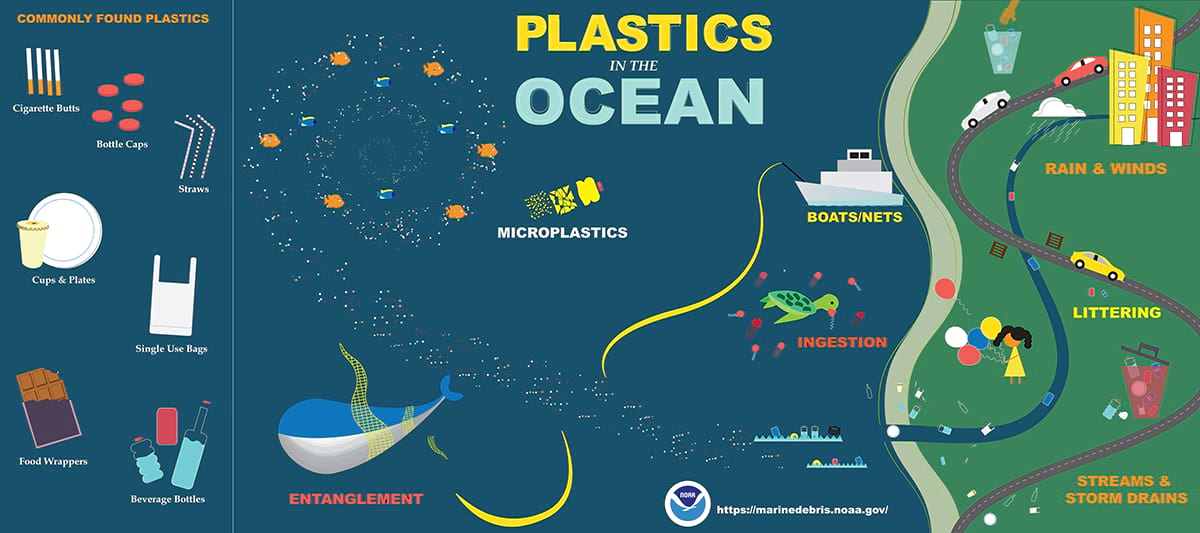
As most of us are aware plastics are polluting our oceans, not only the production of them but also the 8 million tons of it that are dumped in our oceans every year. This makes up 80% of marine debris from surface waters to deep-sea sediments. theoceancleanup.com aims to develop technology in the hope of cleaning up 90% of ocean plastic pollution.
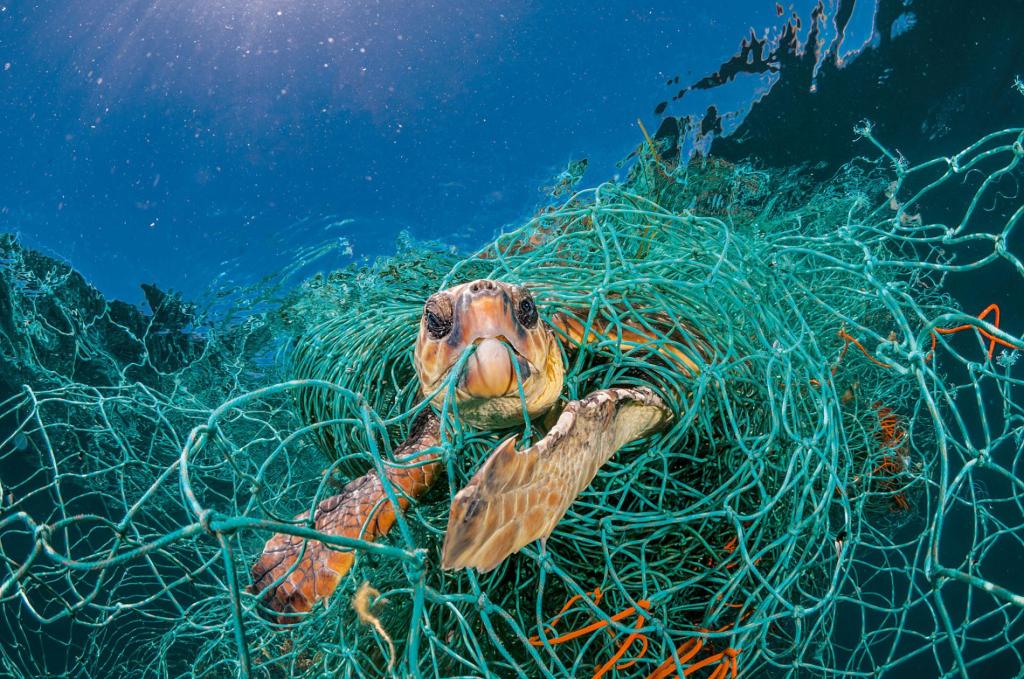
Another big problem with plastics in the sea is the detrimental effect it’s having on sea-life. Fish, seabirds, sea-turtles and marine mammals often become entangled or ingest plastic debris causing suffocation, starvation and drowning. Up to a million seabirds are killed my plastic waste a year. This has a big knock on effect on the food chain, causing even more sea-life to die.
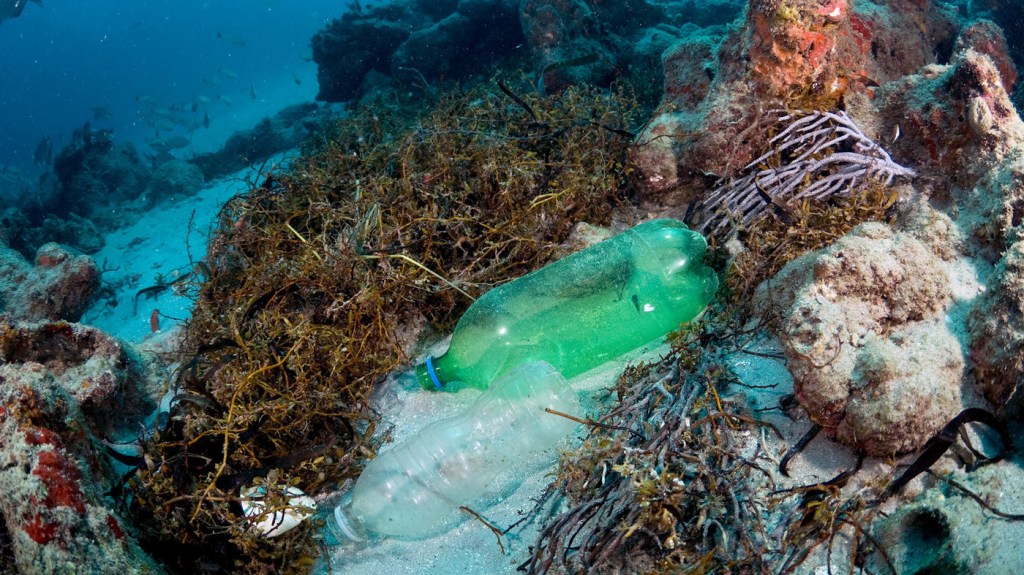
Plastic in the ocean has a big effect on coral. Coral reefs not only support local economies but they also protect coastlines from flooding during extreme storms. Plastic can stop light and oxygen from reaching coral, which are two things corals need to survive. Research has shown that exposure to plastic particles increases coral disease outbreaks and is thought to promote the growth of harmful pathogens and transport these into coral reefs. Click here to read about tackling plastic pollution in Cambodia.
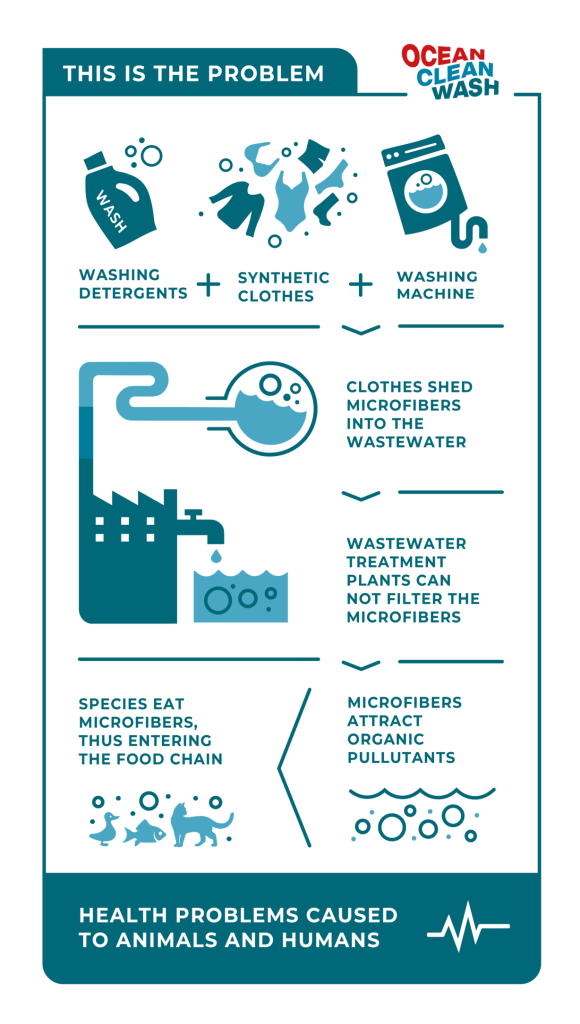
Before I researched plastic pollution in the ocean the points above were all I thought were affecting the oceans. However, my eyes have been opened to other ways we are polluting oceans such as plastics entering the water source through washing our clothes and the harmful chemicals used in some suncreams. Every time we wash our clothes, plastic particles from synthetic fabrics are released into wastewater treatment plants that can’t filter them. This contributes up to 35% of the plastic that is polluting our oceans. To help stop this there are washing machine filters, these catch up to 90% of the released plastic fibres, or you can add in filters such as these. There are plenty of other washing habits that are easy to change, you can read more about these here.
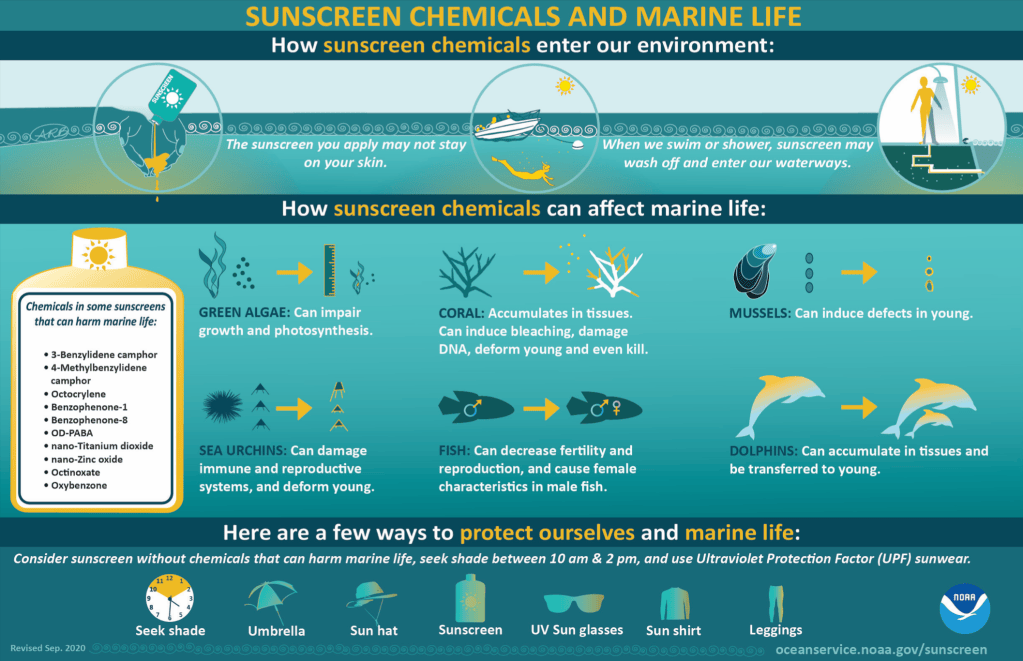
When you go into the ocean, or shower after applying sun cream chemicals seep into the water, these chemical are then absorbed by corals. These can disrupt coral’s reproduction and growth cycles leading to bleaching. Some islands such as Hawaii and Palau have banned the sale of sunscreens containing harmful chemicals, you can read more about this here. There are many sunscreens that don’t contain these harmful chemicals so make sure to check the ingredients before you buy.


Leave a Reply