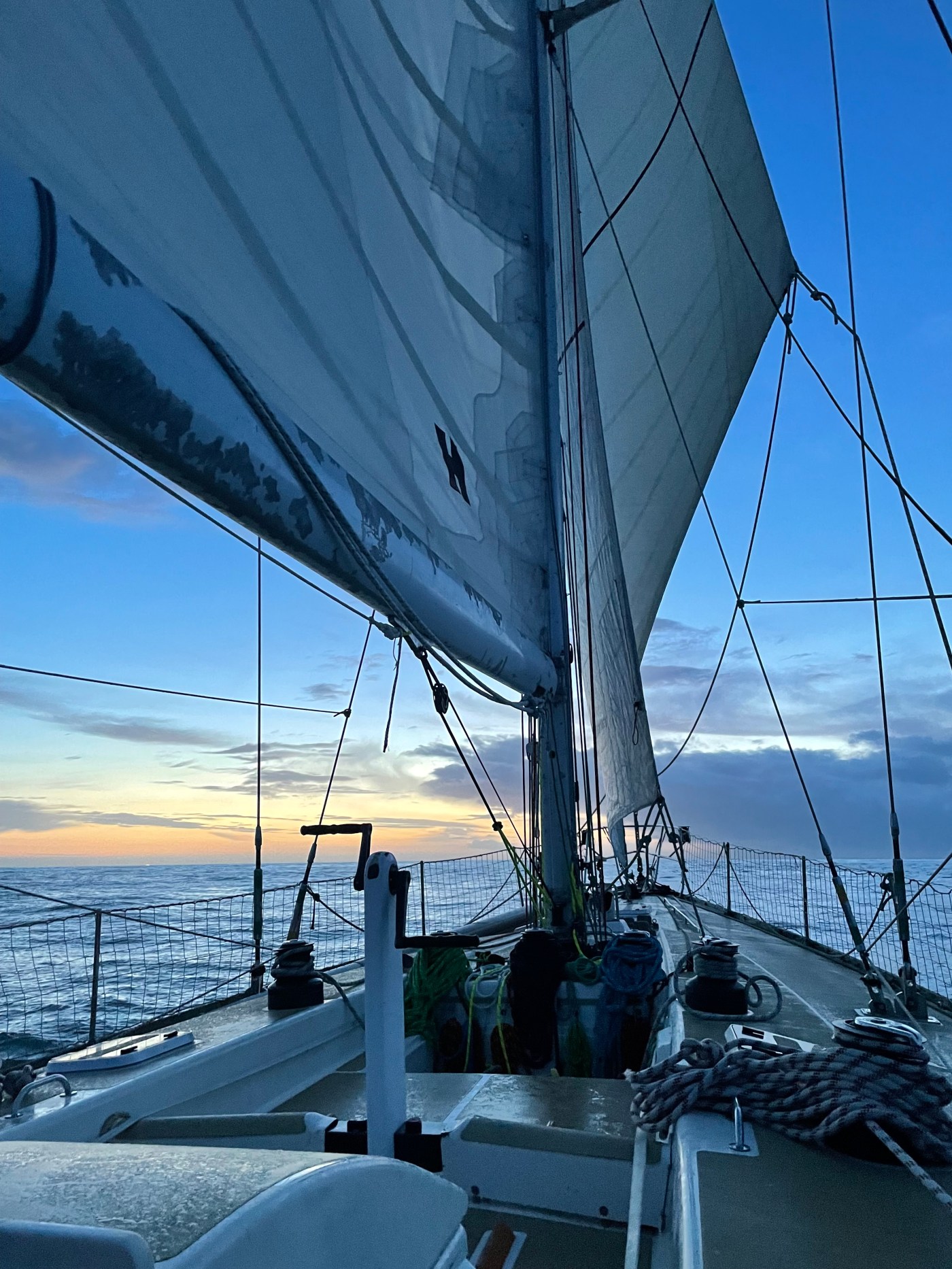
I recently completed level 2 of clipper training, which includes sea survival techniques and learning about life at sea. Living at sea involves sailing round the clock, while working in watches, cooking under sail and forgoing the luxury of Marina toilets and showers
On the first day, we met at a school in order to complete the RYA basic sea survival course. This started with learning the theory of what to do if you have to abandon ship, followed by practical training in a swimming pool. This entailed setting a life raft up, righting it, climbing in alone and practicing the best way to keep safe while in the water. Because it was in a warm, light and calm environment, the course was good fun. But, it in no way reflected the reality of what it might be like if we had to put these skills into practice in real life. I can only imagine the fear one might experience in 40 foot waves at night when you have lost sight of the yacht and of your fellow crew and have to wait days for the chance of rescue. Although I understand practicing becoming familiar with these skills is important, I question how many of these skills my fellow crew or I will be able to draw on should we need them during the Clipper race. Thus the most important thing I learnt was that abandoning ship and resorting to a life raft is the very last option.
That evening, myself and my fellow crew members arrived at Gosport marina ready to board the Clipper 68′. We had 19 crew members, but only 14 bunks and thus for the first night half of us decamped to another boat , where we enjoyed the luxury of our own bed and a full nights sleep. The next morning consisted of the all important safety briefs, rig checks and familiarisation of the boat, before setting out to sea. At 6pm that evening, after completing tacking, gybing and MOB drills, we started our watch system, which included two watches, port and starboard, lasting for 4 hours at night and 6 hours in the day.
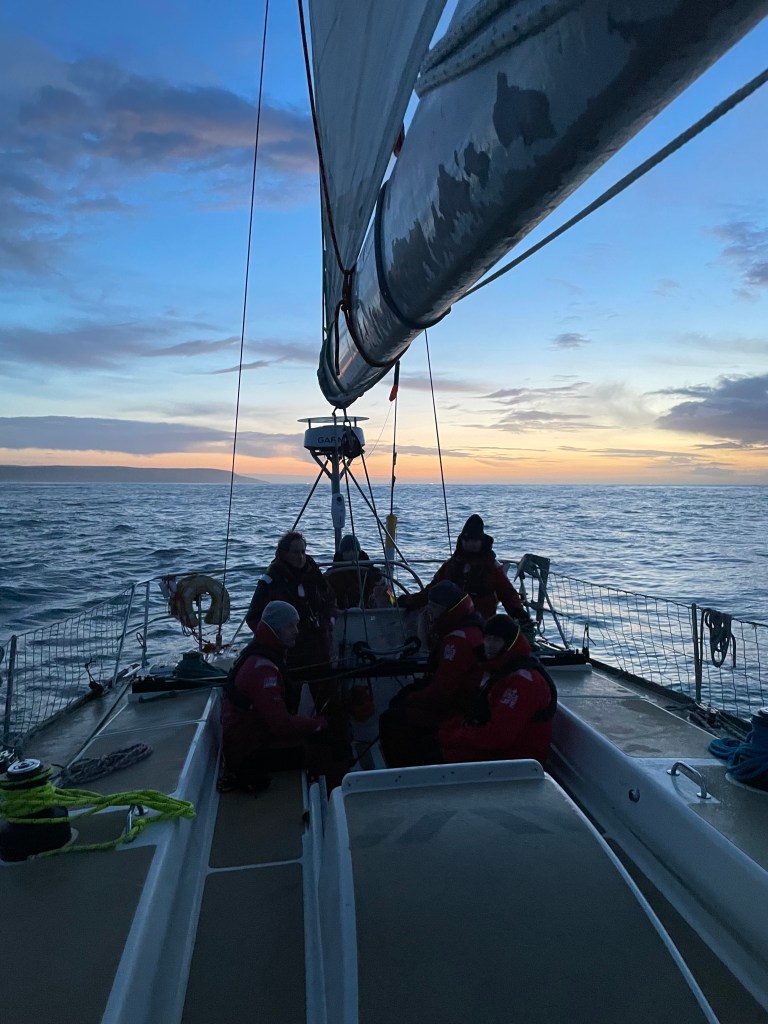
From Sunday to Wednesday evening there was a lack of wind, so we ended up wallowing around the English channel. Wallowing in the swell meant coping with sea-sickness for many on board and involved spending a lot of the time being moving backwards by the tide. This was no problem for us as making progress wasn’t the aim of the week, we were learning to live at sea and work as a team. However, I am anticipating the frustrations we may experience spending days making little progress in the doldrums when we are aiming to win a race. This will be one of the many times, during the Clipper race, when the strength of our positivity, resilience and team spirit will be put to the test. In the most part our team worked well, but the short moments of frustration illuminated the importance of learning to navigate not just the seas, but the different agendas and personalities on board. This leaves me with many points of reflection and thought; some conflict is healthy, but the nuanced skills of learning when and how to manage conflict will be fraught with complexity and I suspect that the communications skills I will need will take far longer for me to finesse than technical sailing skills.
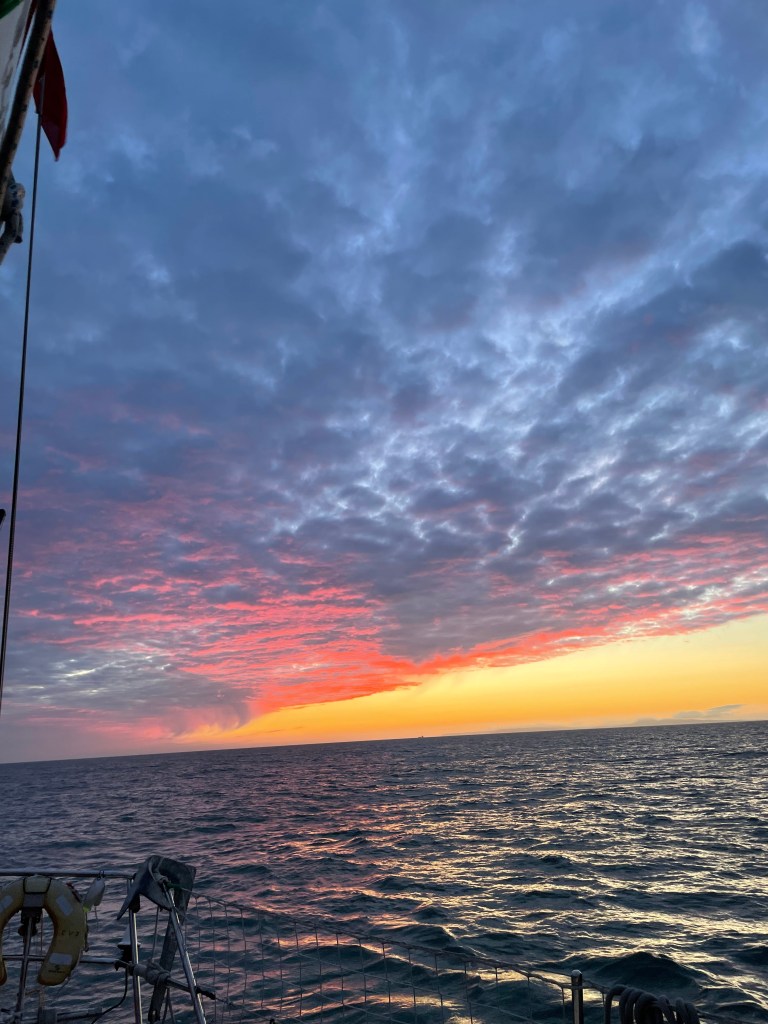
As always it was a fabulous week at sea, and it was comforting to feel such as strong sense of belonging and of being at home, something which will be important to me to get the most out of my Clipper journey.


Leave a Reply