31st October DC supporter update
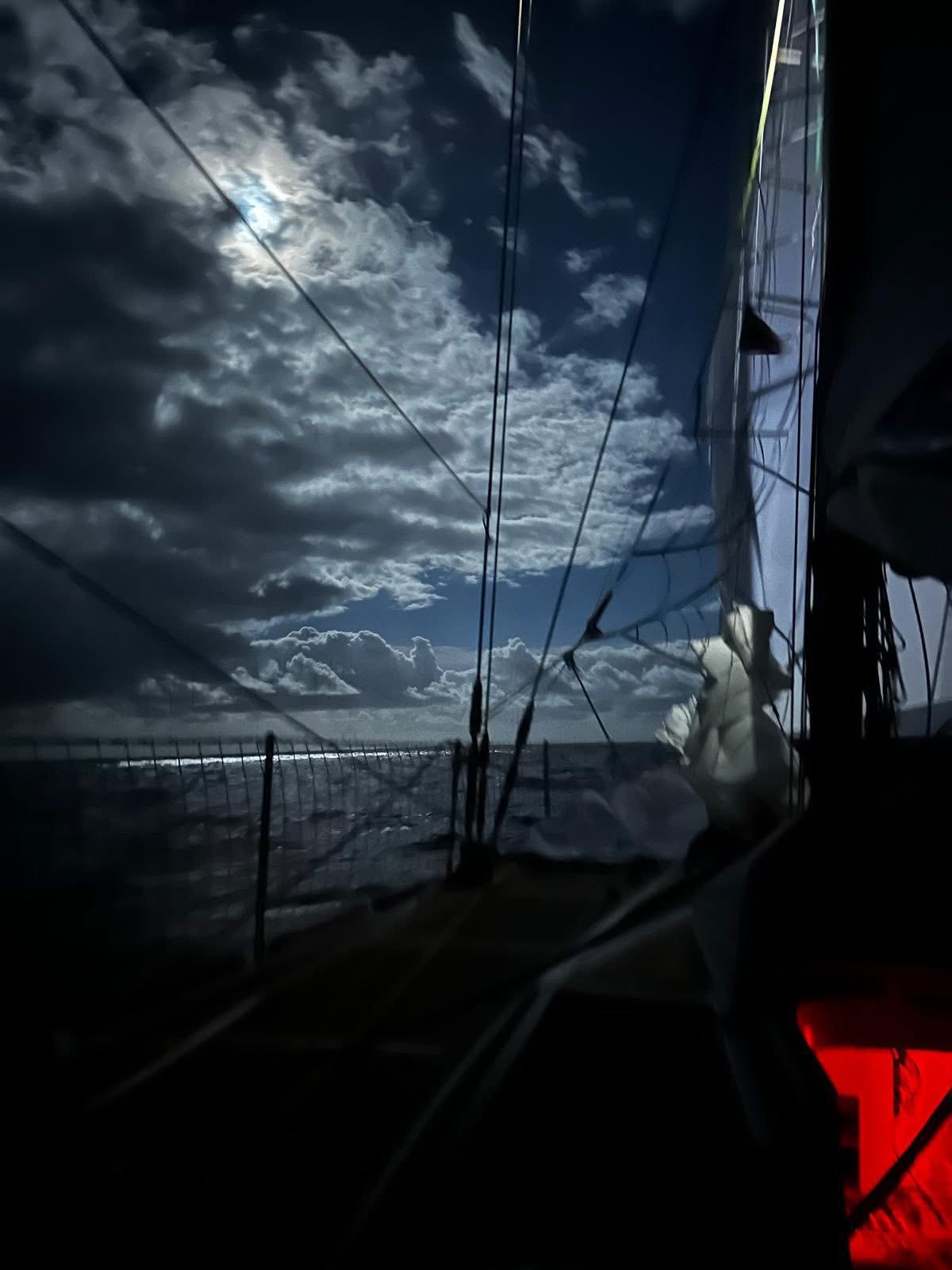
We had a long, hard night recently. That’s not unusual out here, as I’ve explained before, things happen, but I thought I’d use this as an example of what those moments really look like and mean for us on board.
It began with the Code 3 getting wrapped tightly around the inner forestay during a drop. It took around four hours to get it unwrapped. Initially we tried to get a line around it to pull it down the inner forestay, but in that sea state it was tricky; every time the boat rolled, the kite would reinflate and snatch itself out of everyone’s hands. Eventually, we managed to unwrap it from the helm by swinging the apparent wind around.
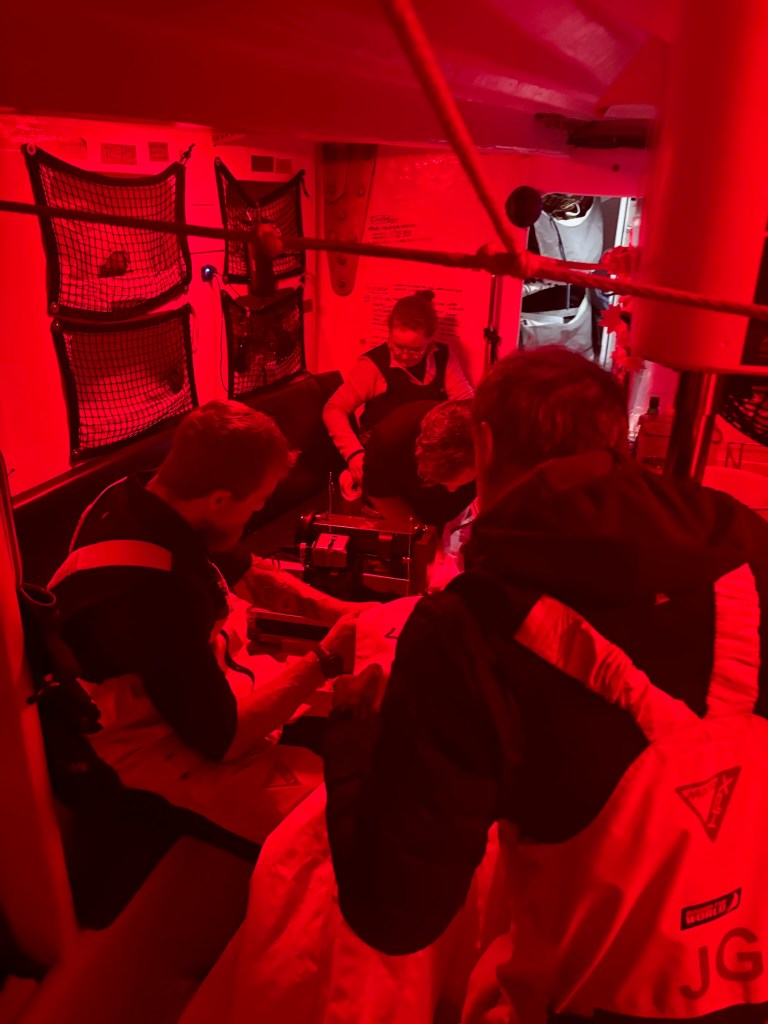
Just as we thought we’d solved one problem, the halyards got stuck about two-thirds of the way down on the lower spreader. So, Lauren went up the rig to cut them free, a brutal job that took another couple of hours in big seas. As expected, when the halyards released, the head of the sail dropped straight into the water. This meant more work hauling it back on board, soaked and heavy. By the time that was done, all the halyards were twisted together, a tangled knot of chaos. It took time, patience, and a lot of teamwork to get them sorted so we could hoist the Yankee again. There is no opportunity to recharge your batteries after a long and sleepless night. There is no lie in or pyjama day in front of the TV that follows. The next day is more strong winds and big seas which makes life on board and helming in particular tough.
To keep the boat steady when helming in these conditions, you must interpret the sea, to feel and predict the waves. As a wave rolls up behind, you sense the windward quarter lifting. At this point you must steer downwind just in time to stay ahead of it; too slow, and the wave rounds you up into the wind, pinning the boat until it passes. With a kite up, that means chaos, flogging sails and jolting lines. Once the wave passes and the boat flattens, you steer back toward the wind or risk being dragged into the trough, where the kite can wrap or, worse, cause a crash gybe. It’s hard, physical work, sore arms, tight shoulders, and full concentration just to keep the boat in a straight line.
Nights like that take their toll. The physical effort is intense, but it’s often the emotional fatigue that cuts deeper. In those tense, tired hours, it’s easy for small frustrations to slip into our tone, and that’s when I remind myself and the crew about the music we make with our voices. Every word carries a note, and together those notes form the soundtrack of life on board. When our tone becomes grating or sharp, it can start to wear people down. That kind of music makes others doubt themselves or feel small, and when that happens, trust begins to fray. It undermines everything we’re working to build.
At our midday meeting, we came back to this. We talked about how hard it can be to really listen to yourself, to reflect honestly on the music you make and to look beyond your own experience to the impact you have on others. It takes humility and courage to admit when your own rhythm has slipped out of tune. I reminded everyone of Maya Angelou’s words: “Try to be a rainbow in someone else’s cloud.” Out here, that means being responsible for the energy you bring, pausing before you speak, being open if someone’s words land badly, and ready to receive hard feedback with warmth. Kindness under pressure is one of the truest signs of strength.
Nights like that don’t just test our sailing, they test our patience, our communication, and our character. And when the sea finally settles and the dawn breaks, what lingers isn’t the exhaustion or the tangled halyards, but the quiet rhythm of teamwork, a crew finding its tempo again. Out here, we’re learning to steer by feel, to trust one another, and to make good music together, even in the wildest weather.
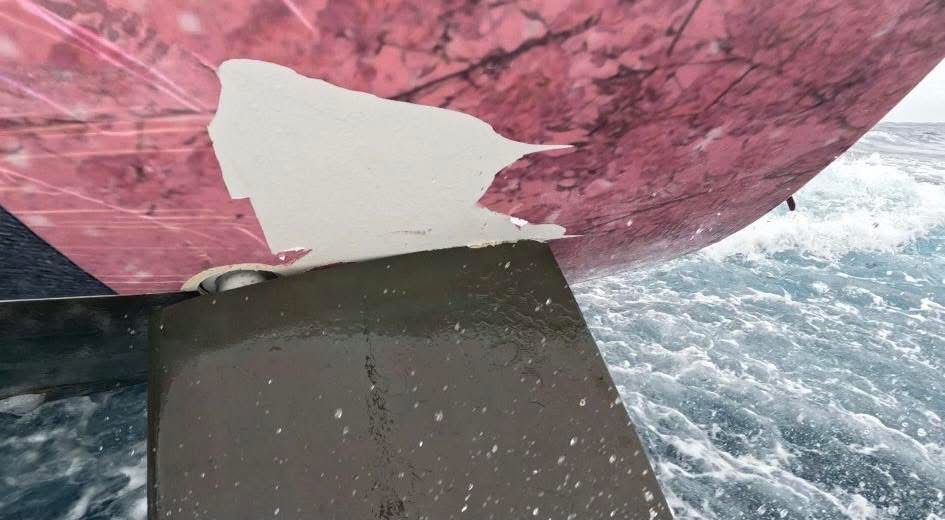
I had this blog ready to go for a few days and since writing we’ve had another reminder of the ocean’s unpredictability. We hit a whale, and what followed was a long day at sea checking everyone’s safety and assessing the damage to the boat. There’s no time for writing more now, but rest assured everyone is uninjured and safe. The boat has sustained damage, including a broken rudder, which means you may notice us heading north; not our planned course, but the only one we can make until the wind dies. More to come in a later update.
Ella out.


Leave a Reply