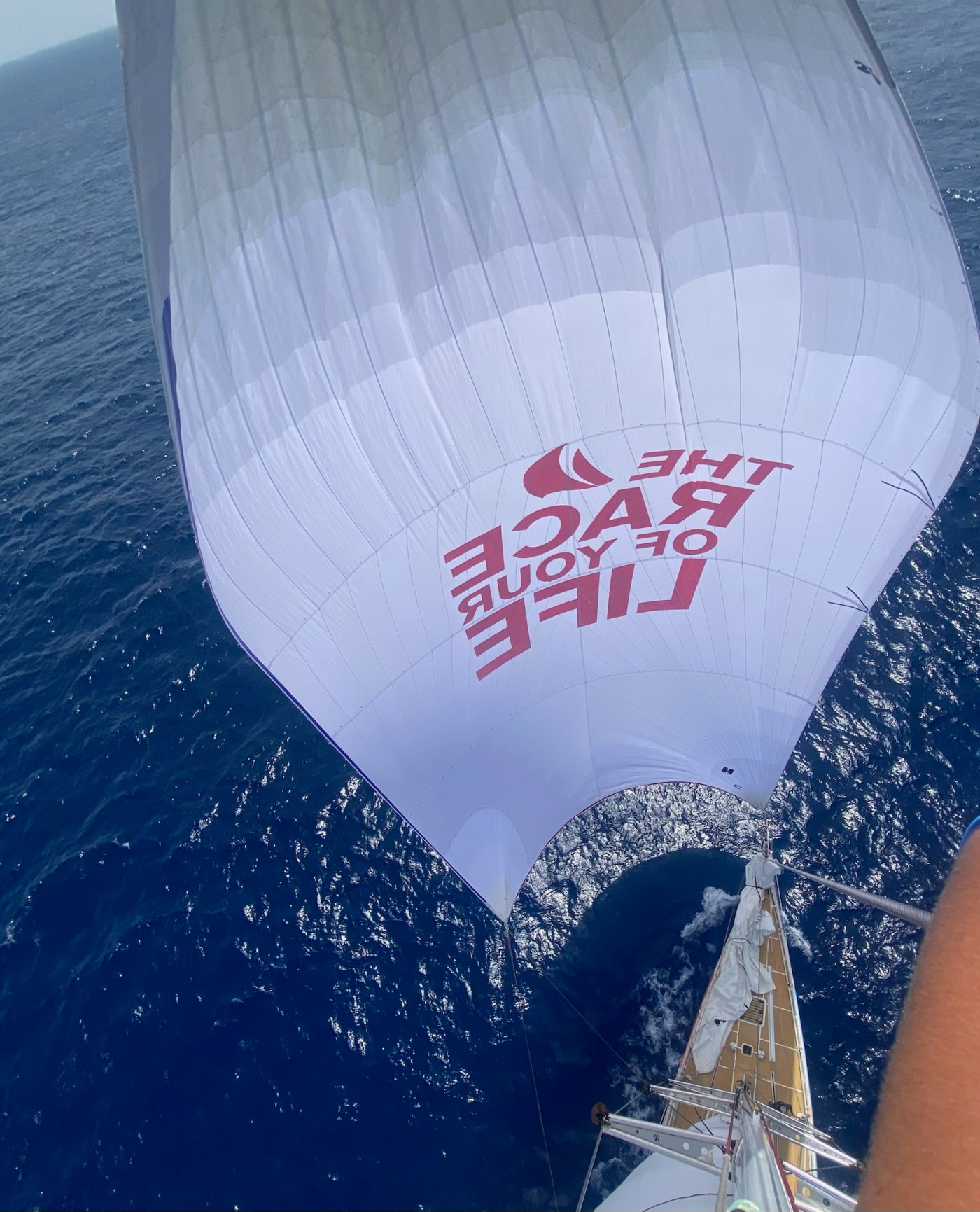
DC supporters update 8th January
Every single person on board works hard to choose the attitude they bring to the boat. That matters more than most people realise. This race is long, relentless, and emotionally demanding, and yet our crew continue to show up for one another with humour, kindness, and resilience. This leg we’ve celebrated Christmas and New Year; I hope you enjoyed the video of our New Year’s party. Those moments of joy don’t happen by accident. They happen because the crew make an active choice to create and embrace them, even when they’re tired, frustrated, or disappointed.
That choice has been particularly hard on this leg. I have spoken previously about how witnessing Steve’s pain and emotions and then his medivac, meant unexpectedly losing a part of our clipper family affected all of us on board. It has also meant that we’ve effectively been sailing our own race. Restarting 400 miles behind the fleet meant we were no longer sharing the same weather systems. There have been days where we clawed back miles and spirits lifted, and others where we bobbed in a wind hole watching the gap grow again. As you can imagine, that is an emotional rollercoaster. And through it all, each crew member has worked consciously to keep smiling, encourage one another, and pull together through the lows as well as the highs.
It’s in that context that I see my role as skipper of Team Washington DC. I recognise that I am the CEO of this boat and ultimately accountable for everything that happens on board. The buck stops with me, and I take that responsibility incredibly seriously. Leadership at sea isn’t only about decisions or strategy. One of my most important jobs is to create and protect the culture on board. I’ve spoken about this in earlier updates, but it’s worth returning to because of how powerful it is. On the last race, one thing struck me more than anything else: how profoundly the skipper’s presence shapes the atmosphere of the boat. For me, the skipper isn’t just the Chief Executive Officer; they are also the Chief Energy Office
One of our agreed team behaviours is “work hard to stay positive.” And I won’t pretend that’s easy. It’s hard when you’ve had major breakages, when the kite wraps, when you hit a whale, or like in this race, when we rejoined the race hundreds of miles behind the fleet. It’s in those moments, I know I must dig deep and deal with it. On our boat, the words “deal with it” are laminated and stuck in pride of place on board, not to suppress emotion, but to acknowledge the reality of ocean racing and then meet it head-on. There are times when it is my duty to very deliberately and consciously manage my own energy. I spoke in a recent update about the importance of bringing calm after the whale strike. Let me give another example.
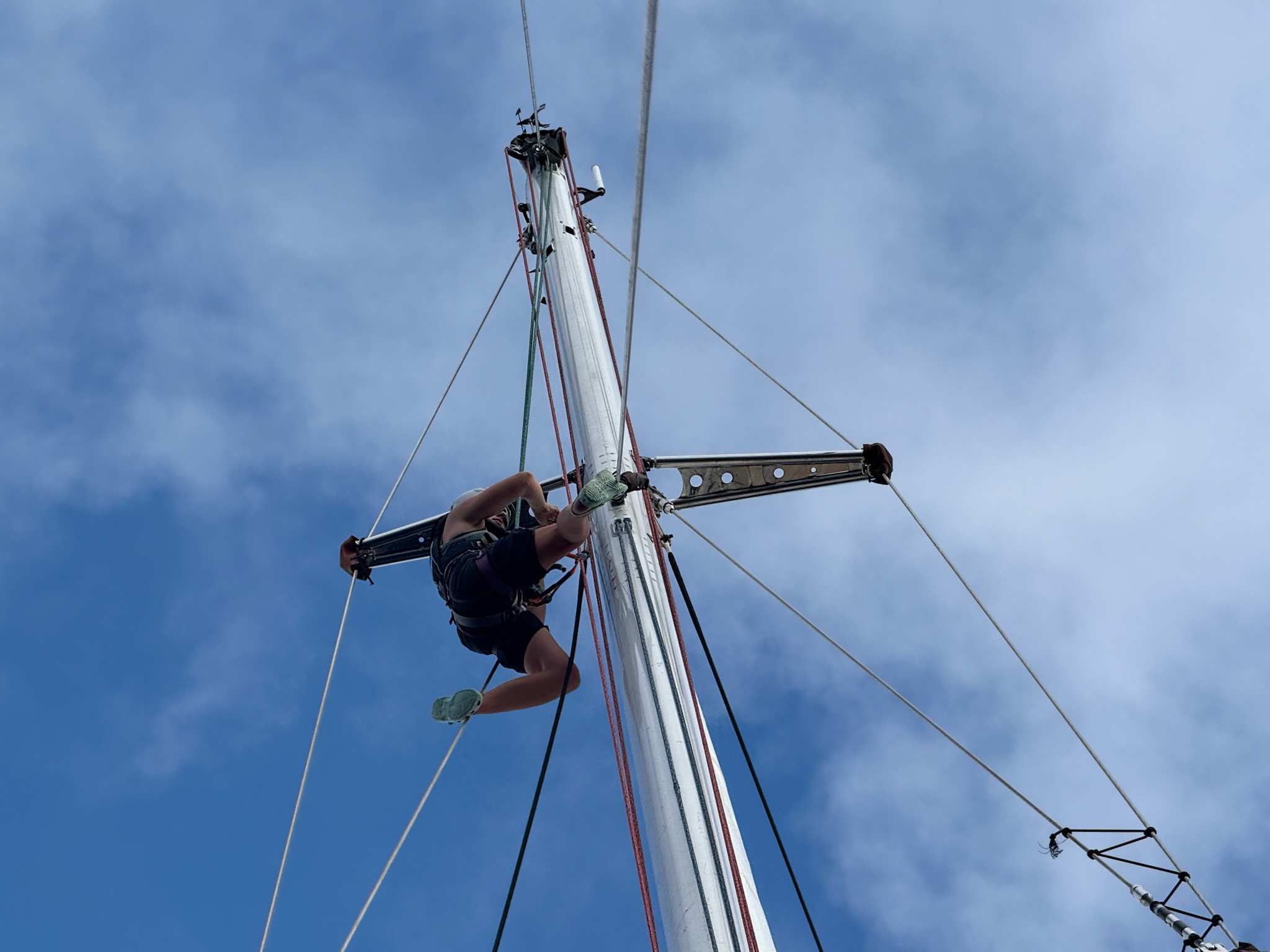
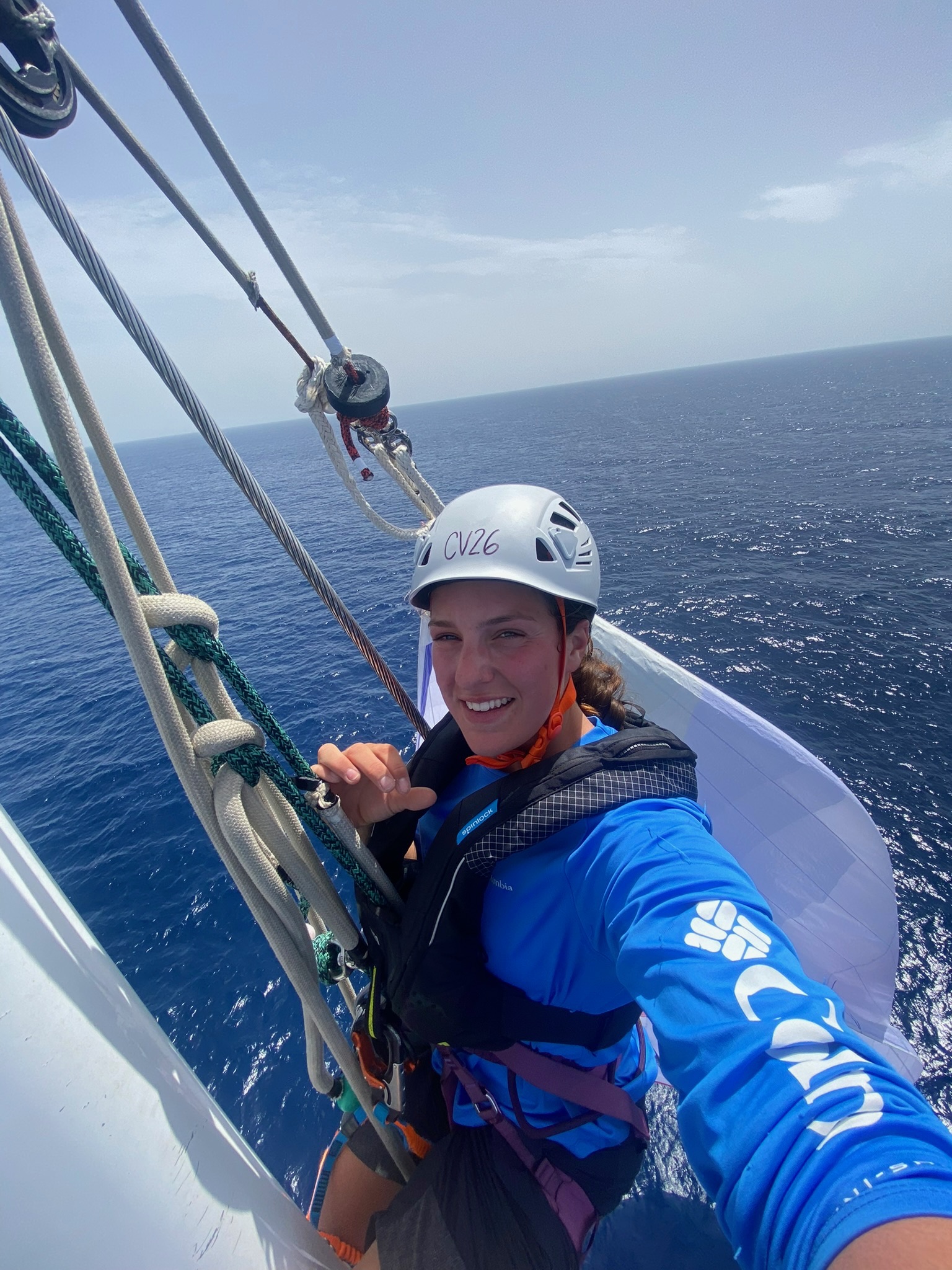
Going aloft at sea usually means something has gone wrong and needs fixing, often in fruity conditions. It involves being hoisted and climbing the rig in a harness while the boat pitches and rolls beneath you. The harness digs into your legs, you’re thrown against the mast, and you’re trying to assess and repair damage while keeping hold of your tools. It’s exhausting. Some crew members courageously take on this challenge, sometimes to their own detriment; notably John and Michael, both who suffered injuries whilst working aloft. On the last race, my legs were completely black with bruises from gripping the mast with my legs to stabilise myself whilst using both hands to work my tools.
My instinct in those moments would be to eff and jeff every time I was bashed, or something didn’t go to plan. But I can’t do that. When aloft we often wear a Sena radio, which means everything said is heard by the crew on deck. And I know that when I’m up the rig, the crew are watching and worrying. That’s why I’m acutely aware of my energy. I try to hold back the expletives and keep my voice light. Sometimes I hum to myself. None of that is accidental.
That awareness starts before I even leave the deck. I think very carefully before going aloft myself. If I get injured, I can’t run the boat and that’s not a risk I take lightly.
This came up in a recent crew debrief. The crew shared that they’d been worried when I went aloft. What they didn’t know at the time was that I had already talked my reasoning through with the watch leader. I can get up the rig more quickly than most. I knew exactly what repair was required. I’ve done it before and I’ve been aloft in far sketchier conditions. I was confident I could do the job more quickly and efficiently than anyone else. In those circumstances, I was the right person for the task. In that debrief, the crew asked something important: could they challenge me in future if they were worried? Of course they can. I am always open to a sense check. I may still choose the same course of action, but I’m more than happy to listen, explain my reasoning, make those decisions transparent and reevaluate.
What I want to end with is this: I have enormous respect and admiration for this crew. The energy on board is not created by one person alone. It is built, moment by moment, watch by watch, by people choosing a positive energy when it would be easier not to. I try my best to set the tone, but it is the crew who live it. There are moments when I don’t get it right, but I aim to choose the kind of energy that makes it safe for others to speak up, act decisively, and bring their best selves to the boat even when the miles are against us and the conditions are relentless. And I am deeply grateful to sail with a crew who do the same, day after day.
Ella out.
Working aloft


Leave a Reply